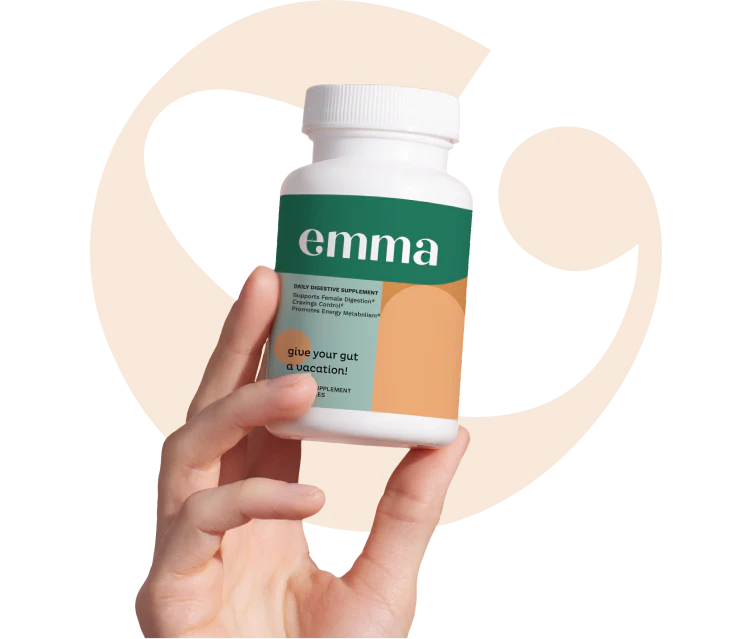
Emma Gut Health supplement, like any dietary supplement, may have potential side effects, particularly if not used as directed or if an individual has certain health conditions. Here are the potential side effects associated with the ingredients commonly found in Emma Gut Health:
Emma Gut Health supplement includes magnesium, psyllium husk, probiotics (such as Lactobacillus and Bifidobacterium strains), senna leaf extract, aloe vera extract, inulin (a prebiotic fiber), digestive enzymes (like amylase, lipase, and protease), and peppermint oil.
- Magnesium: Magnesium supplements can cause diarrhea, abdominal cramping, and upset stomach, particularly when taken in high doses.
- Psyllium Husk: Psyllium husk is a soluble fiber that can cause bloating, gas, and abdominal discomfort, especially if not taken with enough water.
- Probiotics (Lactobacillus, Bifidobacterium): Probiotics are generally safe, but some individuals may experience mild digestive symptoms such as gas, bloating, or diarrhea, particularly at the beginning of supplementation.
- Senna Leaf Extract: Senna is a natural laxative and can cause diarrhea, abdominal discomfort, cramping, and electrolyte imbalances if overused or taken in high doses.
- Aloe Vera Extract: Aloe vera has a mild laxative effect and can cause diarrhea and abdominal cramps, especially with prolonged use or high doses.
- Inulin (Prebiotic): Inulin can cause bloating, gas, and digestive discomfort, particularly in individuals who are sensitive to fermentable fibers.
- Digestive Enzymes (Amylase, Lipase, Protease): Digestive enzymes help break down food but may cause mild gastrointestinal symptoms like nausea, diarrhea, or stomach cramps in some individuals.
- Peppermint Oil: Peppermint oil can cause heartburn, allergic reactions, and headaches in some individuals. It may also worsen symptoms of gastroesophageal reflux disease (GERD) in some cases.
These side effects are typically mild and uncommon when the supplement is used correctly. However, it’s essential to be aware of them and to monitor your body’s response when starting any new supplement regimen.
Emma Digestive Supplement is a gut health product designed to support digestive wellness, bowel regularity, and a healthy gut microbiome. It contains a blend of herbal extracts, antioxidants, and digestive-support ingredients that may help reduce bloating and improve digestive comfort.
While many users tolerate the supplement well, it’s important to understand the potential Emma Digestive Supplement side effects before adding it to your daily routine. Like any dietary supplement, individual responses can vary based on age, health conditions, medications, and sensitivity to specific ingredients.
What Is Emma Digestive Supplement?
Emma Digestive Supplement is marketed as a digestive health formula that aims to:
- Support gut microbiome balance
- Promote regular bowel movements
- Reduce occasional bloating
- Support digestive comfort
- Encourage healthy digestion
The formula commonly includes ingredients such as:
- Berberine
- Quercetin
- Resveratrol
- Star Anise
- Garlic Extract
- Clove Extract
- Peppermint
- Deglycyrrhizinated Licorice (DGL)
These ingredients are often used in digestive wellness products because of their potential gut-supporting properties.
Common Emma Digestive Supplement Side Effects for All
Most side effects reported with digestive supplements are generally mild and temporary, especially when first starting the product.
1. Digestive Discomfort
Some users may experience:
- Mild stomach upset
- Abdominal discomfort
- Temporary cramping
- Changes in digestion
This can occur as the body adjusts to new digestive-support ingredients.
2. Gas and Bloating
Although Emma is intended to support digestive health and reduce bloating, some individuals may initially experience:
- Increased gas
- Temporary bloating
- Digestive fluctuations
This may happen as gut bacteria adapt to the supplement’s ingredients.
3. Changes in Bowel Movements
One of the most commonly reported effects involves changes in bowel habits.
Users may notice:
- More frequent bowel movements
- Looser stools
- Temporary diarrhea
- Increased digestive activity
These effects often decrease as the body becomes accustomed to the supplement.
4. Nausea
Certain herbal ingredients may occasionally cause:
- Mild nausea
- Upset stomach
- Digestive sensitivity
Taking the supplement with food may help reduce these symptoms.
5. Headaches
A small number of users report:
- Mild headaches
- Temporary discomfort
This may be related to ingredient sensitivity or digestive changes occurring within the body.
6. Herbal Ingredient Sensitivity
Emma contains several botanical extracts that may not be suitable for everyone.
Sensitive individuals may react to ingredients such as:
Berberine
Potential side effects:
- Stomach discomfort
- Nausea
- Digestive upset
Garlic Extract
Potential side effects:
- Heartburn
- Digestive irritation
- Garlic odor
Peppermint
Potential side effects:
- Acid reflux in some individuals
- Heartburn
- Mild stomach irritation
Rare Emma Digestive Supplement Side Effects
Although uncommon, some users may experience more significant reactions.
Allergic Reactions
Potential symptoms include:
- Skin rash
- Itching
- Swelling
- Difficulty breathing
Seek immediate medical attention if signs of an allergic reaction occur.
Medication Interactions
Certain ingredients in Emma may interact with medications.
Examples include:
Berberine Interactions
May interact with:
- Blood sugar medications
- Blood pressure medications
- Certain antibiotics
Garlic Extract Interactions
May interact with:
- Blood thinners
- Antiplatelet medications
Always consult a healthcare professional if you take prescription medications.
Who Should Use Extra Caution?
Before taking Emma Digestive Supplement, consult a healthcare provider if you:
- Are pregnant
- Are breastfeeding
- Have chronic digestive disorders
- Have liver disease
- Have kidney disease
- Take prescription medications
- Have known allergies to herbal ingredients
How to Reduce the Risk of Emma Digestive Supplement Side Effects
Following best practices may help minimize unwanted reactions.
- Start Slowly – Some users begin with a lower dosage (if permitted by the product instructions) before transitioning to the full serving.
- Stay Hydrated – Proper hydration supports digestion and may help reduce digestive discomfort.
- Take With Foo – Taking the supplement with meals may reduce nausea and stomach irritation.
- Follow Recommended Dosage – Avoid exceeding the manufacturer’s recommended serving size.
Potential Benefits of Emma Digestive Supplement
While understanding possible side effects is important, many users take Emma for its digestive support benefits.
Potential benefits may include:
- Improved gut health
- Better bowel regularity
- Reduced occasional bloating
- Enhanced digestive comfort
- Support for healthy gut bacteria
- Improved digestive wellness
Results vary from person to person.
Is Emma Digestive Supplement Safe?
For most healthy adults, Emma Digestive Supplement is generally considered safe when used as directed. However, individual tolerance varies.
Factors influencing safety include:
- Existing health conditions
- Medication use
- Ingredient sensitivities
- Dosage adherence
Consulting a healthcare professional before starting any new supplement is always recommended.
Emma Digestive Supplement Side Effects vs Benefits
| Potential Benefits |
Possible Side Effects |
| Supports gut health |
Mild stomach upset |
| Promotes regularity |
Temporary bloating |
| Supports healthy digestion |
Gas |
| Encourages bowel movement |
Loose stools |
| Helps digestive comfort |
Nausea |
| Supports gut microbiome |
Headaches (rare) |
Conclusion
Understanding Emma Digestive Supplement side effects can help you make an informed decision before using the product. Most users experience few or mild side effects, with digestive changes being the most commonly reported. Temporary bloating, gas, loose stools, or mild stomach discomfort may occur as the body adjusts to the supplement.
As with any dietary supplement, it is important to follow dosage instructions, review the ingredient list carefully, and consult a healthcare professional if you have medical conditions or take medications. When used appropriately, Emma Digestive Supplement may provide digestive support and contribute to improved gut health for many individuals.
FAQs
Q: What are the most common Emma Digestive Supplement side effects?
A: The most commonly reported side effects include mild bloating, gas, stomach discomfort, loose stools, and digestive changes.
Q: Can Emma Digestive Supplement cause diarrhea?
A: Yes. Some users may experience temporary diarrhea or more frequent bowel movements as their digestive system adjusts.
Q: Does Emma Digestive Supplement cause bloating?
A: Although it is intended to support digestive health, temporary bloating may occur during the initial adjustment period.
Q: Can Emma Digestive Supplement cause nausea?
A: Some individuals may experience mild nausea, especially when taking the supplement on an empty stomach.
Q: Is Emma Digestive Supplement safe for long-term use?
A: Many users take digestive supplements long-term, but it is best to consult a healthcare professional for personalized guidance.
Q: Can Emma Digestive Supplement interact with medications?
A: Yes. Ingredients such as berberine and garlic extract may interact with certain medications, including blood sugar and blood-thinning drugs.
Q: Who should avoid Emma Digestive Supplement?
A: Individuals who are pregnant, breastfeeding, have serious medical conditions, or take prescription medications should consult a healthcare provider before use.
Q: How can I reduce Emma Digestive Supplement side effects?
A: Taking the supplement with food, staying hydrated, following dosage instructions, and consulting a healthcare professional can help reduce side effects.
Q: Are Emma Digestive Supplement side effects permanent?
A: Most reported side effects are temporary and often improve as the body adjusts to the supplement.
Q: Is Emma Digestive Supplement FDA approved?
A: No. Emma Digestive Supplement is a dietary supplement and is not FDA-approved, although it must comply with applicable FDA regulations for dietary supplements.